Before You Pay: The Warehouse Sofa Fabric Check That Costs Less Than a Takeaway
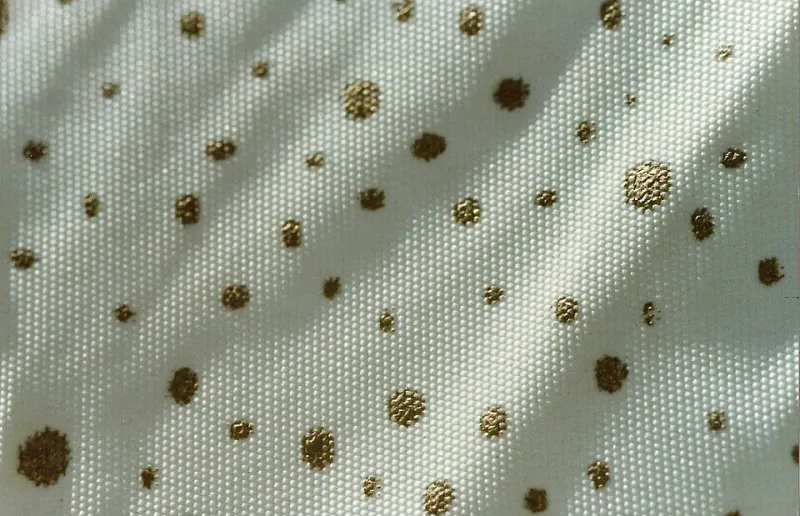
Photo: Tony Lindsey, CC BY-SA 4.0, via Wikimedia Commons
Clearance sofas are one of the great North East shopping thrills: you walk into a warehouse, spot a two-seater that would cost three times as much new, and start mentally moving the furniture around. But upholstery is where bargains go to die quietly. A sofa can look lovely under warehouse lights and feel like a tired pub bench by spring. The good news is that you can judge most of the risk in about ten minutes, with a kit that costs less than a takeaway.
At NE Furniture Warehouse, we would rather you spent a few minutes in the aisle than a few months regretting the purchase. This is the fabric check we would run ourselves — polite, permission-first and focused on how the piece will wear, not how it photographs.
Start with the weave, not the label
Labels tell you a fibre name; your hands tell you how it is put together. Run a flat palm across the seat and back. A good upholstery weave should feel dense and even, without loose loops, long floppy threads or areas that feel thin enough to read a bus timetable through.
Hold a cushion cover up to the light if you can. Tight plain weaves and well-made chenilles usually cope better with daily life than loose, loopy boucles, which can snag on keys, dog claws and the zip on a hoodie. That does not make boucle bad — it just means it needs a calmer household. If you can see the backing through the fabric when it is stretched gently, ask what is underneath and whether it is designed for heavy use.
The rub-and-recover test
Ask a member of staff before you do this. Never rub a clearance piece without permission, and always choose a hidden spot: under the seat cushion, the back edge of the frame or the underside of an arm.
Take a clean white cloth or a soft lint roller. Rub gently ten times in one direction, then ten times back. You are not trying to scrub the pattern off; you are looking for clues. If the cloth picks up a lot of loose fibre, the fabric is shedding. If colour transfers, be wary — especially on pale trousers and light carpets. If the surface looks fuzzy, flattened or rougher than the area next to it, that is a warning.
Then smooth the fabric with your palm and wait a minute. Good upholstery should recover most of its texture. If the rubbed patch stays flattened or looks bald, walk away. That is the £20 fabric test in miniature: a clean cloth, a lint roller, a small torch and a tape measure will cost you less than a takeaway, and they will save you far more than that.
Pile, nap and the velvet trap
Velvet, velour and some chenilles have a pile, which means the surface changes shade when you brush it the wrong way. That is normal. Brush the pile one way, then the other, and watch how the colour shifts. A healthy velvet will look crushy and rich, not patchy and threadbare.
What you are looking for is difference between high-traffic areas and hidden ones. Compare the seat front with the back edge. If the seat is noticeably balder, shinier or flatter, the sofa has already had a life. Crush marks are part of the charm; bald patches are not.
Seams, piping and the bits you cannot see
Turn the cushion over. Look at the seams: they should be straight, tight and not puckered. Check the stress points — the front edge of the seat, the top of the back cushions and anywhere a zip or piping runs. A little loose thread can be trimmed; a seam that is already pulling has had it.
Look at the underside of the sofa and the back of the cushions. Thin, papery dust covers are common on budget furniture, but they should not be torn or hanging off. Check the feet and the frame edges for wobble. A sofa with good fabric and a tired frame is still a bad buy.
Foam: press, count, release
Cushions tell you a lot about how a sofa will feel after a year of film nights. Press the centre of the seat cushion firmly with your flat hand, then the edge. Release and count slowly: one elephant, two elephants. Good foam should bounce back within a few seconds and feel firm but not rock-hard. If your hand leaves a dent that stays put, or you can feel springs or wooden edges through the foam, it is not going to improve at home.
Ask whether the covers are removable and washable. If the care label is missing, assume spot-clean only and price that into your decision. A sofa that cannot be cleaned is not a bargain in a house with children, pets or a weakness for a Friday night chippy tea.
The final walk-away rules
Take a tape measure and check the sofa will fit through your door, up the stairs and past the dog-leg in the hall. Measure the lift if you are in a flat. Then use your torch at a low angle across the fabric: it shows up pilling, worn patches and anything the overhead lights are hiding.
Leave the sofa if the rub test sheds heavily, colour comes off on a white cloth, seams are pulling, foam stays dented or the fabric feels thin at the arms. There will be another clearance drop. In 2026, the best furniture bargain is not the cheapest thing in the warehouse — it is the one you still like in 2029. Spend less, check properly, and let the sofa earn its place.