Before the Windows Steam Up: Clearance Furniture That Lives Well in a Damp-Prone Home
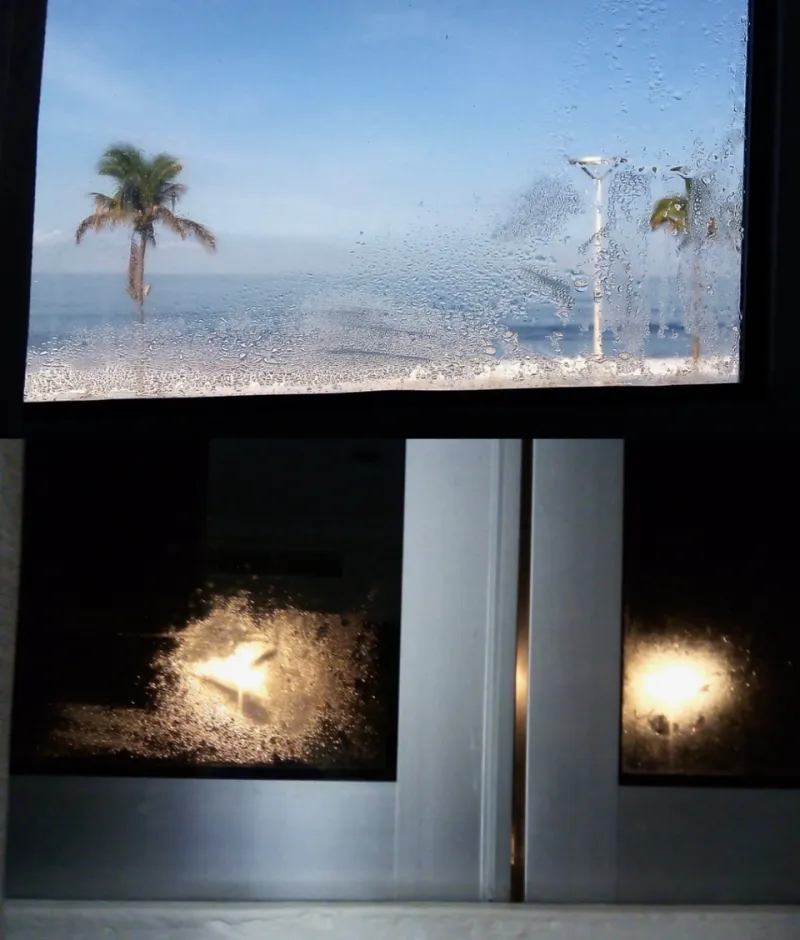
Photo: Couch-scratching-cats, Public domain, via Wikimedia Commons
November in the North East has a particular way of announcing itself. The windows stream by mid-afternoon, the back door swells just enough to need a shoulder, and the air in the spare room starts to smell faintly of cold washing. Damp is not a reason to avoid clearance furniture altogether, but it is a reason to shop with your eyes open. A bargain sofa that ends up smelling like a wet dog is not a bargain. A solid pine chest that swells shut by January is not saving you anything either.
The good news is that most damp problems in older terraces, flats and ex-council semis are manageable. The trick is to choose pieces that can cope with a bit of moisture in the air, and then give them a fighting chance once they are over the threshold. Here is what to look at on the warehouse floor, and what to do when you get home.
Start with the room, not the showroom
Before you fall for a shape or a price tag, think about where the piece is actually going. Is it going against a cold external wall in a Victorian terrace? Into a bathroom-adjacent box room? Under a window that runs with water every morning? Furniture placed in these spots needs more breathing room and more careful materials than something sitting in a well-ventilated front room.
The humble air gap is your friend. A wardrobe pushed tight against a cold wall traps moisture behind it, and that is where mould likes to start. The same goes for a sofa shoved against a single-skin wall or a chest of drawers wedged into a chimney breast alcove. When you are measuring up at home, leave a few centimetres behind and beside the piece. It looks a bit odd for a day, then you stop noticing, and the furniture stops sweating.
Wood: check the edges, the back and the feet
Wood is the material most people worry about, and with good reason. Solid timber can usually dry out and carry on, but particleboard, MDF and chipboard are less forgiving. Once water gets into an exposed edge, the board swells and never quite goes back. In a damp-prone home, that swollen edge is the beginning of the end.
On the warehouse floor, run your hand along the bottom edges of shelves, the back of a wardrobe and the inside of drawer runners. Look for bubbling veneer, soft corners, dark water marks and a wavy surface that should be flat. Press a thumbnail gently into an exposed edge. If it gives, walk away. Check the feet too, especially on clearance sideboards and beds, because damp floors and wet mopping are hard on the bottom of a piece.
Smell matters as much as touch. A musty whiff from the back of a wardrobe is a warning. So is a drawer that sticks in a cold warehouse, because it will stick even more in a cold bedroom. Solid wood pieces with proper joints and a bit of a gap here and there are often the safer bet than heavily sealed flat-pack, which has more raw edges to fail.
Upholstery: use your nose and your hands
Fabric sofas and chairs hold onto moisture in a way that wood does not. A musty smell is the clearest signal, but it is not the only one. Lift the cushions and check the decking underneath. Look at the lining on the base, the hessian and the frame corners. Damp patches often show up there first, long before the seat looks tired.
Give the piece a gentle press. Foam that feels cold, clammy or sluggish is a concern. Check the frame by rocking the arms and listening for creaks or cracks. A sofa with a damp frame is a false economy, no matter how good the price. Removable, washable covers are a practical bonus in a busy North East household, but they are not a miracle cure if the filling itself has been sitting in a damp corner.
Leather needs a mention too. It can cope with modest humidity, but it does not like being pressed against a cold wall or left in a room with no air movement. Look for greenish bloom or a sticky feel on clearance leather, and be honest about whether you have the time to look after it.
Metal: rust hides in the joints
Metal beds, dining chairs and industrial-style shelving are popular clearance buys, and many are tougher than they look. The problem is rarely the flat surface. It is the welds, screw holes, hinges and folded edges where water sits. Run a torch over the underside of a metal chair or bed frame. Check for bubbling powder coat, orange staining around fixings and chrome that has started to pit.
A small scuff is not a deal-breaker. A rusty joint that has gone soft is. If you do buy a metal piece, keep it away from wet mopping and dry it straight away if it gets splashed. A little clear wax or a rub of petroleum jelly on exposed fixings is a cheap way to slow surface rust, but it will not rescue a frame that is already failing.
The five-minute warehouse check
Take a small torch and use your nose. Press the edges of wooden pieces, lift the cushions on upholstery and look underneath metal frames. Ask how long the item has been on the floor and whether it has come from a damp storage area. A decent warehouse should be straight with you. If something smells wrong or feels soft, leave it. There will be another van trip.
Cheap ways to keep clearance buys dry at home
Once the furniture is home, small habits make a big difference. Leave air gaps behind wardrobes and sofas. Use felt pads or small risers under wooden feet so they are not sitting directly on a cold floor. Wipe condensation off windows each morning rather than letting it run down the wall. Keep air bricks and vents clear. Dry washing outside when you can, or use a vented tumble dryer, because indoor drying is one of the biggest sources of winter moisture in a small home.
A cheap humidity meter is a useful little buy. So is a moisture absorber in a wardrobe or cupboard that tends to smell fusty. Do not overfill drawers and wardrobes, because trapped air goes stale. And if a piece does get damp, act quickly: dry it thoroughly, clean any mould carefully, and let it air rather than pushing it back against the wall.
Damp is a fact of life in plenty of North East homes, but it does not have to ruin a sensible clearance buy. Choose pieces that can breathe, check them properly before you pay, and give them a bit of space when you get them home. Your furniture does not need to be expensive to survive a northern winter. It just needs to be chosen with a bit of care.