The Last Ten Per Cent: Budgeting for the Finish on a Clearance Furniture Buy
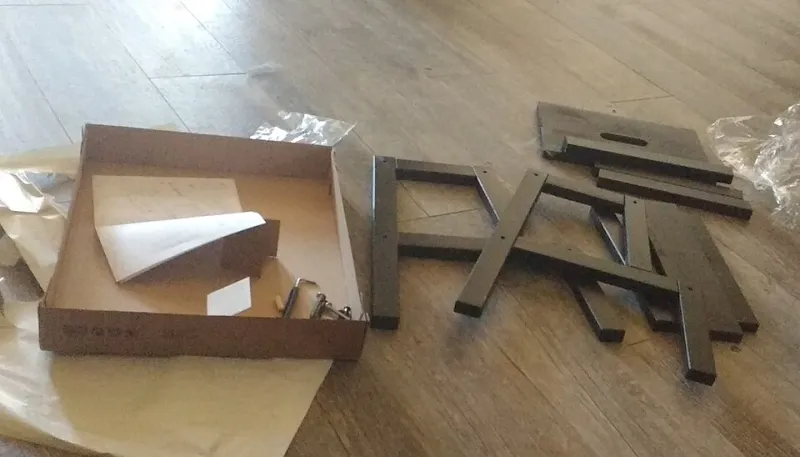
Photo: Bruce Szalwinski, CC BY 2.0, via Wikimedia Commons
You spot it from three aisles away: an end-of-line sofa, a slightly scuffed bedside table, a bed frame with a ticket that makes you check the label twice. The price is the reason you came. But the price on the ticket is rarely the price you pay to get the thing finished, level and actually usable in your home. There is a second, quieter number that lands after the van trip — the fixings, the wall anchors, the tools you thought you owned, the Saturday afternoon that disappears under a pile of cam locks.
None of that means clearance furniture is a bad buy. It means the bargain needs a finish budget. In North East homes — terraces with lath-and-plaster walls, 1930s semis with brick that eats drill bits, flats where the doorways were clearly designed for smaller furniture — the last ten per cent of the job is where the real cost hides. Here is how to plan for it.
Start with the landing cost, not the sticker
The sticker price is the start. The landing cost is what it takes to get the item through your door and into a usable state. That usually means the ticket, transport, fixings, any missing pieces, and the small extras that stop a cheap piece looking unfinished.
Van hire in the North East is often £40 to £70 for a short local run, plus fuel. If the warehouse delivers, that might be £30 to £50. If you are borrowing a mate's van, budget for fuel and a proper thank-you — the bacon sandwich is not optional. Add those to the ticket before you decide whether the saving is real. A £300 sofa that costs £55 to move is a £355 sofa. Still a good deal, maybe, but you need to know the number.
The fixings bag that never was
Clearance furniture often arrives with the box opened, the fixings bag taped to the side, or no fixings bag at all. Flat-pack beds and wardrobes are the usual suspects. A missing cam lock, a bent bolt or a set of dowels that have gone walkabout can stop a build dead.
Budget £10 to £15 for a small fixings kit and a few spares. Check the box before you pay if the warehouse allows it. Ask staff whether the display model's fixings are the same as the boxed one. Take a photo of the instruction sheet's parts list so you know what you are looking for. Do not raid the odds-and-sods tin for a screw that almost fits. Furniture fixings are designed for a reason, and a wrong thread can strip a hole that is a pain to repair.
Wall anchors and the older North East wall
A tall bookcase, a chest of drawers or a wardrobe needs securing. In newer homes that might mean a stud finder and a couple of plasterboard fixings. In older terraces it can mean lath and plaster, brick, or a mixture that changes halfway up the wall. Budget £10 to £25 for proper wall anchors, longer screws and anti-tip straps.
This is not the place to guess. If you rent, check your tenancy agreement before drilling. If the wall is crumbly or the piece is heavy, get advice from a local handyman or the warehouse's fitting team. A £15 anchor kit is cheaper than replacing a dropped wardrobe or explaining a hole to a landlord.
Tools you will actually use
Most flat-pack comes with an Allen key. Most Allen keys are made of cheese. If you already own a drill, a set of bits, a screwdriver, a mallet, a spirit level and a tape measure, you are fine. If not, a basic DIY kit is £25 to £40. Buy once, use for years.
Do not buy a specialist tool for a one-off build unless you have to. Borrow from a neighbour, check a local tool library if your area has one, or ask the warehouse whether they have a build bench you can use. A £20 clamp you use once is not a bargain. A £10 magnetic screwdriver bit that stops you losing screws inside a sofa frame is.
Assembly time is a cost too
A sofa's feet take twenty minutes. A flat-pack bed can take two to three hours. A wardrobe can swallow an afternoon. If you are paying a handyman, local rates are often £25 to £40 an hour, so a three-hour build is £75 to £120 on top of the ticket. If you are doing it yourself, the cost is your weekend — and that counts when you are weighing up whether to buy new or clearance.
Be realistic. A bed frame that needs two people and a full afternoon is not a disaster, but it is part of the final price. If you have a deadline — a moving-in date, guests arriving, a mattress already on order — factor the time in before you commit.
The small extras that make it feel finished
This is the category that quietly turns a warehouse find into something that looks deliberate: felt pads for chair legs, sliders for a heavy sofa, a touch-up pen for a scuffed edge, spare buttons for a sofa cushion, a fabric protector spray, a couple of cushions that pull the colour together. Budget £15 to £30.
If the bed frame is end-of-line, remember the mattress is usually not included. That is not a hidden cost exactly, but it is a separate one. A decent basic mattress starts around £100 and climbs quickly. A clearance bed frame plus a new mattress can still beat a bed-in-a-box bundle, but only if you count both numbers.
A simple finish fund
For a sofa, set aside £20 to £40 for feet, pads and a touch-up pen. For a bed, £40 to £80 for fixings, anchors and extras, plus the mattress. For a wardrobe or storage piece, £25 to £60 depending on wall type and whether you need help. As a rule, add 10% of the ticket price as a finish fund, with a minimum of £30.
Example: a £400 clearance sofa, £55 van hire, £15 fixings, £20 extras and three hours of your Saturday. The final price is around £490 and an afternoon. If that still undercuts the new equivalent by a clear margin, go for it. If it only saves £20 and eats a weekend, walk away.
When to walk away
Walk away if the fixings are missing and cannot be sourced, if the frame is damaged in a way that needs a specialist, or if the assembly is beyond what you can safely do. Clearance stock is often sold as seen. Check the returns policy before you pay, and do not assume the warehouse has a box of spare parts hidden out back.
The honest maths is simple: clearance furniture is still one of the best ways to furnish a North East home on a budget. Just budget for the finish, not only the find. The second price tag is smaller than the first, but it is real — and knowing it before van day is what keeps the bargain a bargain.