Sit Down First: Why One Great Clearance Chair Beats a Matching Suite
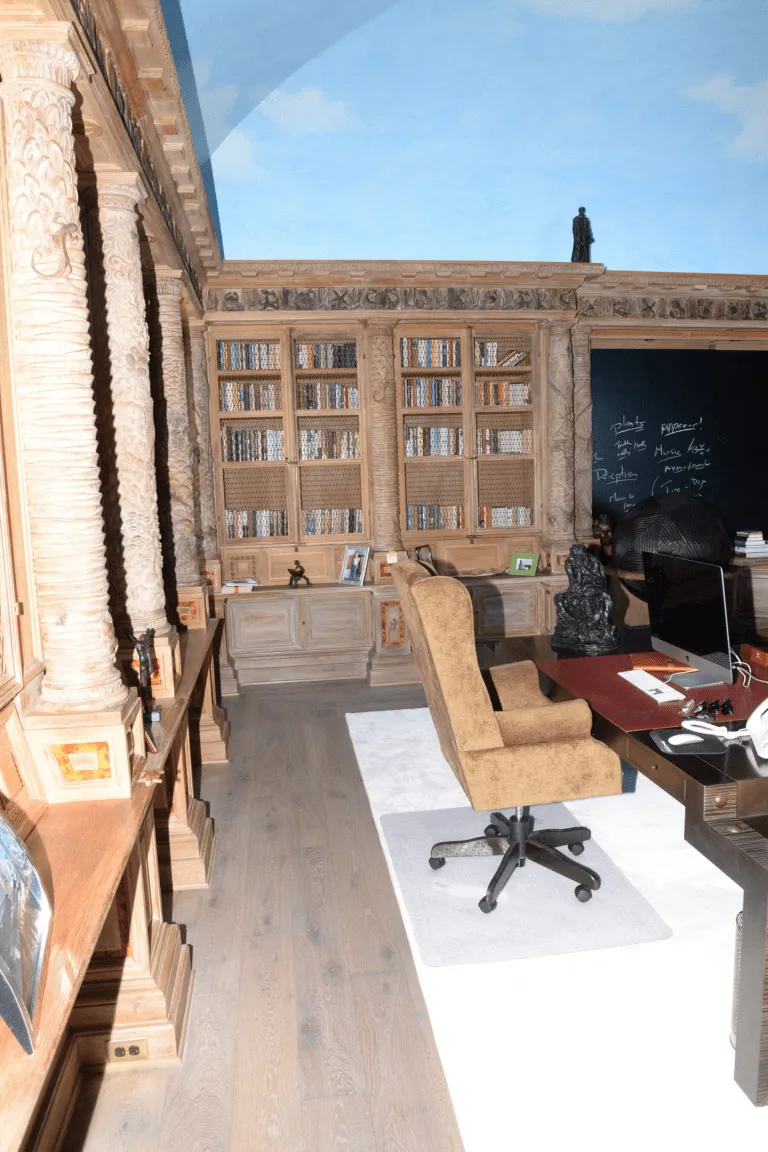
Photo: Federal Bureau of Investigation, Public domain, via Wikimedia Commons
Walk into plenty of North East living rooms and you can guess how the furniture was bought: sofa, armchair and coffee table chosen in one go, probably on a Saturday, probably because the set was discounted. It is not a disaster. But in a terraced lounge or a one-bed flat, a full suite often means three pieces doing the job of one and a half. The sofa ends up pushed against the radiator, the armchair blocks the chimney breast, and the room has a layout decided by matching fabric rather than how you actually live.
My argument for 2026 is simple: buy the chair first. Not any chair, and not because chairs are trendy. Buy one properly comfortable, well-made clearance armchair, spend a disproportionate chunk of the budget on it, then let the sofa, rug and storage follow. In small rooms, one good chair can give the space a centre of gravity that a matching three-piece never will.
Why the chair deserves first call on the budget
A chair is the piece you touch most. You drop into it after a shift, balance a brew on the arm, drape a coat over the back, and shift it when the Christmas tree comes in. It is also the easiest piece to move when the room changes—new flat, new baby, new desk in the corner. A sofa is a commitment; a chair is a conversation.
Matching suites are sold on the promise of a finished room. In practice, they finish the room too early. Once the three-piece is in, there is no room for the oversized floor lamp you actually need, or the little bookcase that would stop the telly floating on a bare wall. A single chair leaves space for those decisions. It also lets you mix a deep green seat with a grey sofa, or a leather chair with a fabric couch, without the room looking like a jumble sale. Clashing is fine when one piece is clearly the anchor.
What makes a clearance chair worth the van trip
Warehouse chairs are not all equal. Some are end-of-line gold; others are on the floor because the frame creaks or the cushion has given up. Before you hire a van, do the boring checks.
Sit in it for at least five minutes. Not a perky perch on the edge—sit back, feet down, shoulders against the back. If you can feel the frame through the seat, walk away. If the cushion compresses to a pancake and stays there, it will not improve at home.
Check the joints by lifting one front leg gently while the chair is empty. A tiny bit of give is normal in a soft chair; a wobble that travels through the whole frame is not. Look at the corners of the upholstery. Rubbing or a thin patch on the arm is a sign of a chair that has already done its stint in a waiting room.
Measure the chair, then measure your door, stair turn and the gap between the radiator and the telly. A chair that cannot get into the room is not a bargain, however good the price. Take a tape measure and a photo of the lounge corner on your phone. If the legs unscrew, so much the better—but check they actually do before you load up.
Fabric matters in North East homes. Velvet looks lovely but shows every dog hair and crisp crumb. A tight weave or a leather-look finish is easier with muddy boots and a busy hallway. If the chair is for a bay window, think about fading; if it is for a rental, think about whether the cover can be cleaned.
Where to spend, where to save
Spend on the seat, the frame and the fabric you will actually live with. Those are hard to fix later. Save on the second armchair, the matching footstool and the nest of tables. One excellent chair plus a cheap side table is a better room than two average chairs and a lot of matching clutter.
A realistic clearance budget might put half of the seating money into the chair and the rest into a simple sofa or a pair of second-hand seats. That is not a compromise; it is a hierarchy. The chair gets the comfortable cushion and the sturdy frame. The sofa can be plainer. The rug can be a clearance roll-end. The lamp can come from a car boot sale.
On a warehouse floor like ours, it is easy to drift towards the matching set because it looks neat under the striplights. Resist that for a moment. Stand back and ask which piece you would actually choose to sit in after a long day. That is the piece to spend on.
Also resist the urge to buy a chair just because it matches the sofa you already own. If the sofa is tired, the chair will only make it look more tired. Choose the chair for comfort and shape first, then work the room around it.
Three layouts that work in North East homes
The terraced lounge with a chimney breast. Put the good chair at an angle near the window, not square to the telly. Let the sofa run along the long wall. The chair becomes a reading spot and stops the room feeling like a corridor. Keep a small side table on the window side and a floor lamp behind the chair.
The open-plan flat. Use the chair as a divider between the sitting area and the kitchen table. It does not need to face the sofa directly; a slight angle makes the zones feel separate without building a wall. Choose a chair with a low back if you want the room to feel bigger.
The small bay-window front room. Put the chair in the bay, facing into the room, and keep the sofa opposite. This is the classic North East front-room shape, and one chair in the bay often works better than a two-seater that blocks the light. Add a slim console behind the sofa if you need storage.
The chair is not the compromise
The matching suite is the safe choice, but safe is not the same as comfortable. In a small North East home, one good chair can make the room work harder than three matching pieces. Spend the money where your body meets the furniture, measure the route to the van, and let the rest of the room earn its place afterwards. That is not a compromise. It is a plan.