The £25 Room Lift: Why Lighting Should Be in the Van Before the Sideboard
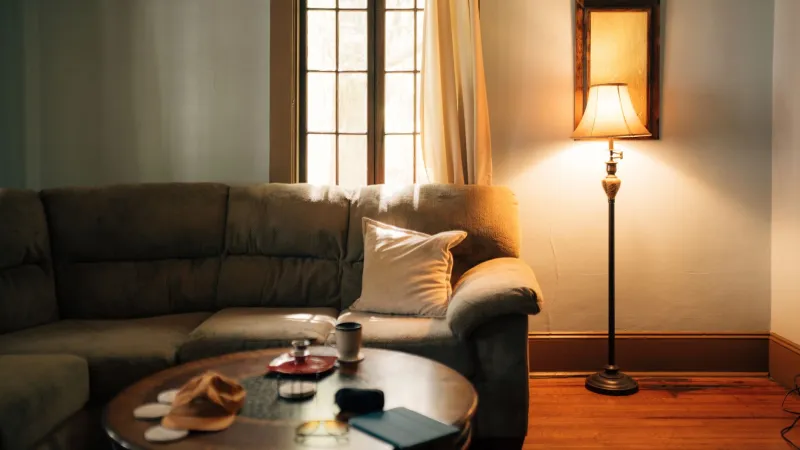
You have found the sofa. It is the right size, the price is right, and the fabric has survived the warehouse aisle without a mystery stain. You get it home, stand back, and the room still looks slightly unfinished. The temptation is to buy another piece: a sideboard, a shelf, something to fill the gap. Before you do, check the lighting. It is the cheapest upgrade in the room, and it changes how every clearance bargain reads.
At NE Furniture Warehouse, we see plenty of shoppers focused on the big-ticket items. Fair enough. But lighting is the quiet finishing tool that makes a £200 sofa look like it was chosen, not just landed. A warm pool of light in the right corner can do more than a new rug, a new cushion or another trip down the A19. Here is how to use it without spending much.
Start with the socket map, not the shade
Before you fall for a lamp, walk around the room and count the plug sockets. Then count the things already plugged in. In older North East terraces and flats, the socket situation is rarely generous, and trailing leads across a doorway are not the look.
If ceiling wiring is limited, or you are renting and cannot add a new light fitting, work with plug-in options. A floor lamp in the corner, a table lamp on a sideboard and a clip-on light for a shelf can all run from existing sockets. Extension leads are fine if they are tucked away properly, not looped across a walking route. Battery-powered picture lights and rechargeable table lamps have also improved; they are useful for rented rooms where you want atmosphere without asking permission.
The point is simple: plan where the light will come from before you buy the light. A beautiful clearance lamp with no sensible socket nearby is just a dusty ornament.
Warm light flatters, cool light interrogates
Bulb colour is the fastest way to make a cheap furniture buy look either welcoming or clinical. For living rooms and bedrooms, aim for warm white, usually around 2700K to 3000K. It softens shadows, makes wood look richer and helps grey or beige fabrics feel less flat.
Cool white, nearer 4000K or above, has its place: kitchens, bathrooms, task lamps and anywhere you need to see clearly. In a living room, though, it can make a budget sofa look like it is waiting for a medical inspection. If you already have cool bulbs in ceiling fittings, try changing just the lamp bulbs first. It is a small spend and an easy test.
Also check the bulb itself. A cheap LED that flickers or buzzes will undo the effect of a good shade. Look for a reputable brand, check it is dimmable if you have a dimmer, and make sure it fits the lamp before you get it home. A bulb that is too bulky for the shade creates a hot spot and a shadow that no amount of cushion arranging will hide.
The shade-to-furniture scale check
Scale is where many clearance lighting buys go wrong. A tiny shade beside a deep three-seater looks lost. An oversized shade over a small dining table can feel like a hat that does not fit.
For a floor lamp beside a sofa, the shade should feel substantial enough to hold its own against the sofa arm, but not so wide that it swallows the side table. A table lamp on a sideboard or console should generally be tall enough to lift light above the surface, not sit buried behind a plant. For a dining pendant, think about the table, not the ceiling: the shade should relate to the table width and hang low enough to create a pool of light over the plates, but high enough that nobody is ducking.
Take a tape measure to the warehouse if you are unsure. Note the width of the sofa arm, the side table and the dining table at home. A quick photo of the corner on your phone is useful too. It sounds fussy, but it is less fussy than returning a lamp that looked right in a bright showroom and wrong in your front room.
Three pools of light beat one big ceiling light
A single ceiling light in the middle of the room tends to light the floor and leave the corners gloomy. That is why clearance furniture can look better in the warehouse than at home: the warehouse has big overhead lights and pale floors, not a dark corner behind the sofa.
Try thinking in layers. You want ambient light for the room, task light for reading or working, and accent light for a shelf, picture or dark corner. A floor lamp behind the sofa, a table lamp on a sideboard and a small accent light on a shelf will usually beat one brighter ceiling bulb. It also gives you options: all three on for a bright evening, one on for a calmer corner.
In North East homes, bay windows and narrow terraces can create awkward dark spots. A lamp placed slightly forward of a dark corner, rather than right against the wall, will bounce light around the room more effectively. If you have a mirror, use it. It doubles the effect of a lamp without using another socket.
Do not buy the lamp before you know the bulb
It is easy to pick up a clearance lamp because the shape is right, then discover it takes an unusual bulb, a candle bulb or a maximum wattage that limits your options. Check the label or ask at the desk. If the lamp is dimmable, confirm the bulb is too. If it has a fabric shade, check the shade is not stained or scorched inside.
A quick warehouse checklist: socket count at home, tape measure, phone photo of the corner, bulb type noted, and a rough idea of where the lamp will sit. That is it. No van needed for a lamp, but the same calm approach applies.
Lighting is not the glamorous part of furnishing a home. It is the part that makes the glamorous part look better. Before you buy another piece of clearance furniture to solve a flat-looking room, spend a small amount on the right bulb, the right shade and the right corner. It is the cheapest way to make a budget room look twice as considered.